Tatarstan Ministry of Digitalization holds a seminar on combating corruption
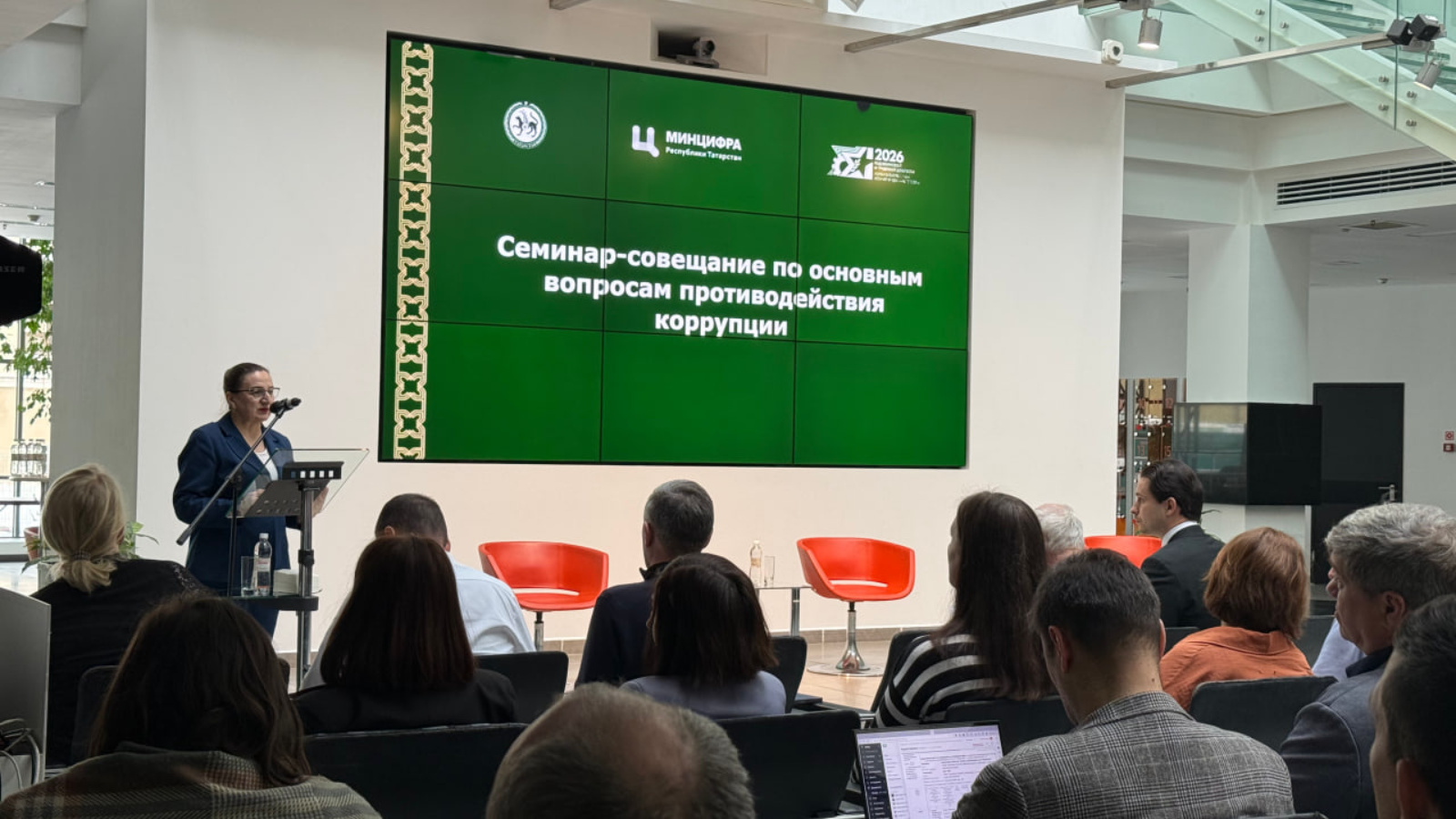
On March 5, Tatarstan Ministry of Digitalization hosted a seminar-meeting on key issues of combating corruption took place, which was attended by representatives from the IT industry, public and trade union organizations.
Seminar speakers were:
Deputy Minister of Digitalization of the republic Bulat Gabdrahmanov
Head of the Anti-Corruption Checks Department of Tatarstan’s Anti-Corruption Policy Management
The Administration of the Rais of Tatarstan for Anti-Corruption Policy's Anti-Corruption Inspections Department Ravia Shersha
Legal Advisor to the Head of the Executive Committee of Kazan Fler Bagautdinov
As of January 1, 2026, over 5,600 government officials work in Tatarstan. Nearly 1,800 employees were hired only in 2025.
Participants were informed about legislative changes, restrictions and duties of civil servants.
The speakers explained sanctions for failure to comply with duties, actions considered corrupt violations and provided real-life examples.
Over the past two years, officials have been dismissed in Tatarstan because of the loss of trust and high-profile cases involving confiscation of assets acquired with unverified income have taken place.
The ongoing work involves regular inspections initiated by prosecutors’ offices and legal actions when violations are identified.
Future steps and digital tools:
It was proposed to create additional digital tools that could help prevent corruption violations, emphasizing the vital role of digitalization in anti-corruption efforts.
Tatarstan became one of the first regions in Russia to transfer all public services online. Previously, citizens spent time in queues and had frequent contact with officials, which could potentially lead to corruption.
To analyze income schemes, the Poseidon system was created under the presidential decree of Vladimir Putin.
Survey results:
According to sociological research, only 9.5% of respondents reported experiencing a corruption situation in 2024.
Such surveys have been conducted since 2012, and over 11 years, the corruption coverage among the population has decreased by 2.2 times.