As many as 748,000 residents of Tatarstan set self-restrictions on loans via State Services Portal (Gosuslugi)
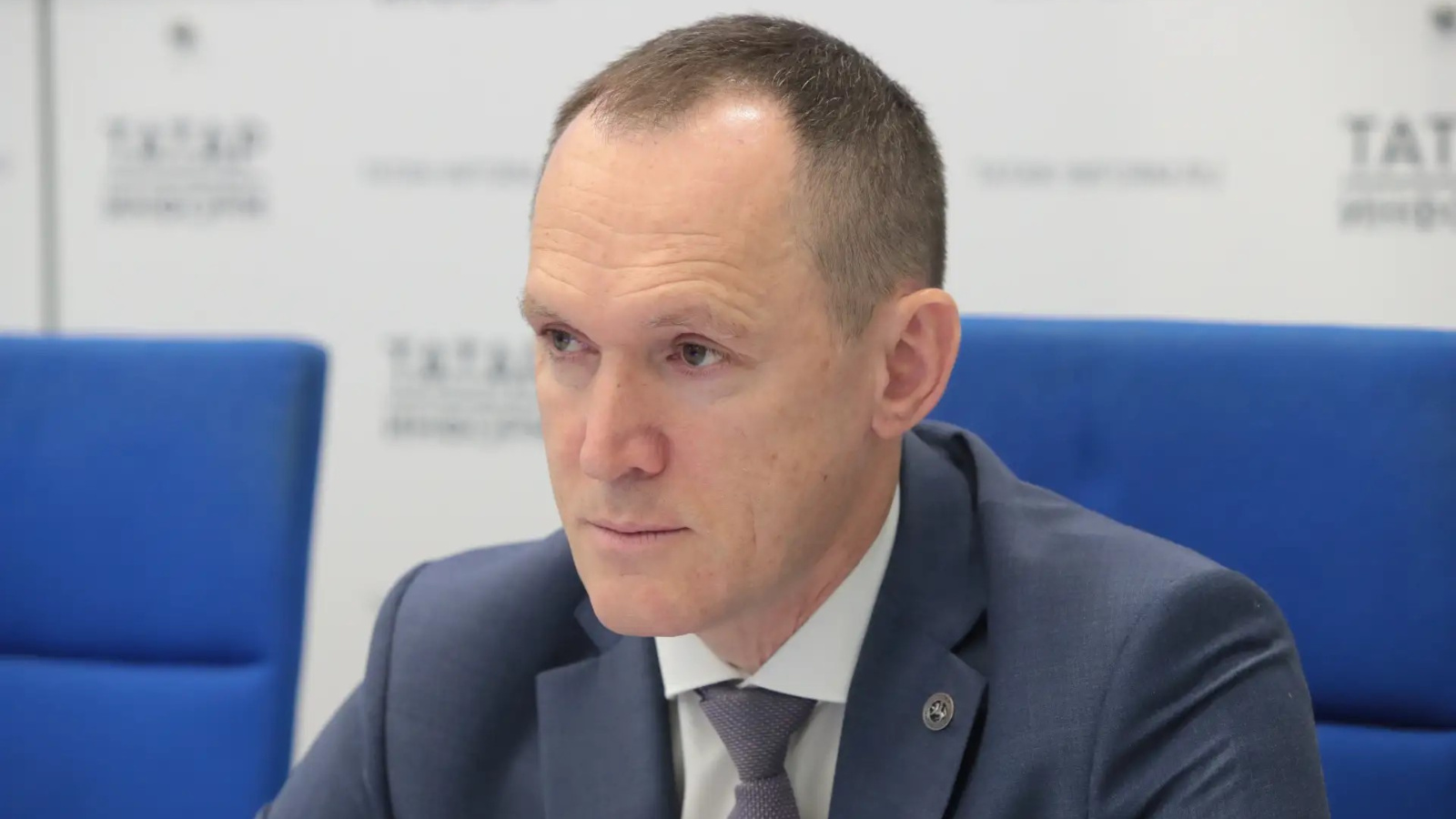
First Deputy Minister of Digitalization of Tatarstan Albert Yakovlev provided a detailed briefing at a press conference on how to protect oneself and loved ones from fraudulent activities.
According to the Tatarstan Prosecutor's Office, during the first six months of 2026, the number of cybercrimes in the republic decreased by 43% — to 8,400 cases compared to the same period last year. The decline in crime rates is attributed to the implementation of digital security mechanisms.
Albert Yakovlev noted that fraudsters are now attempting to induce citizens to call them directly. To this end, they create phishing websites that mimic government portals and send messages via instant messengers under the pretext of providing information on drone attacks or recalculations of heating bills. These messages contain a call to contact a "technical support service," where fraudsters are already waiting for the caller.
Tools that help protect against fraudsters:
– Self-restriction on obtaining loans. This tool protects against situations where a person is coerced into taking out a loan through deception. More than 748,000 residents of Tatarstan have already used this option via the State Services (Gosuslugi) Portal. The restriction can also be set in person at MFC offices, with nearly 38,000 residents of the republic having done so since the beginning of 2026.
– Self-restriction on obtaining SIM cards. Residents of Tatarstan can prohibit operators from issuing new SIM cards without their personal presence. Such self-restrictions via Gosuslugi have been set by 13,000 residents of Tatarstan, while 17,300 residents have used the service at MFCs since the beginning of 2026.
– Authorization on Gosuslugi via the MAX messenger. Before granting access to the account, the system asks the user clarifying questions and warns about fraud risks. Additionally, MAX offers a "Safe Mode" that blocks calls and chat invitations from unknown numbers. Enable the mode yourself and help your loved ones set it up.
– Incoming call labeling. During a call, the phone screen displays the organization's name and the type of service being provided. If an incoming call from an unknown number is not labeled by the system, it is a reason not to answer.
For issues related to fraud, citizens can contact the Central Bank's 24/7 toll-free hotline at: 8 800 300 30 00.
The self-restriction tools for loans and SIM cards are part of a comprehensive cybersecurity infrastructure being developed by the state under the new national project "Data Economy."